
Returning to Israel in a New Era
Against rising antizionism and media distortion, our first study tour since 2019 helped Minnesota leaders encounter Israel—and the Jewish story—with clarity, complexity, and human depth.
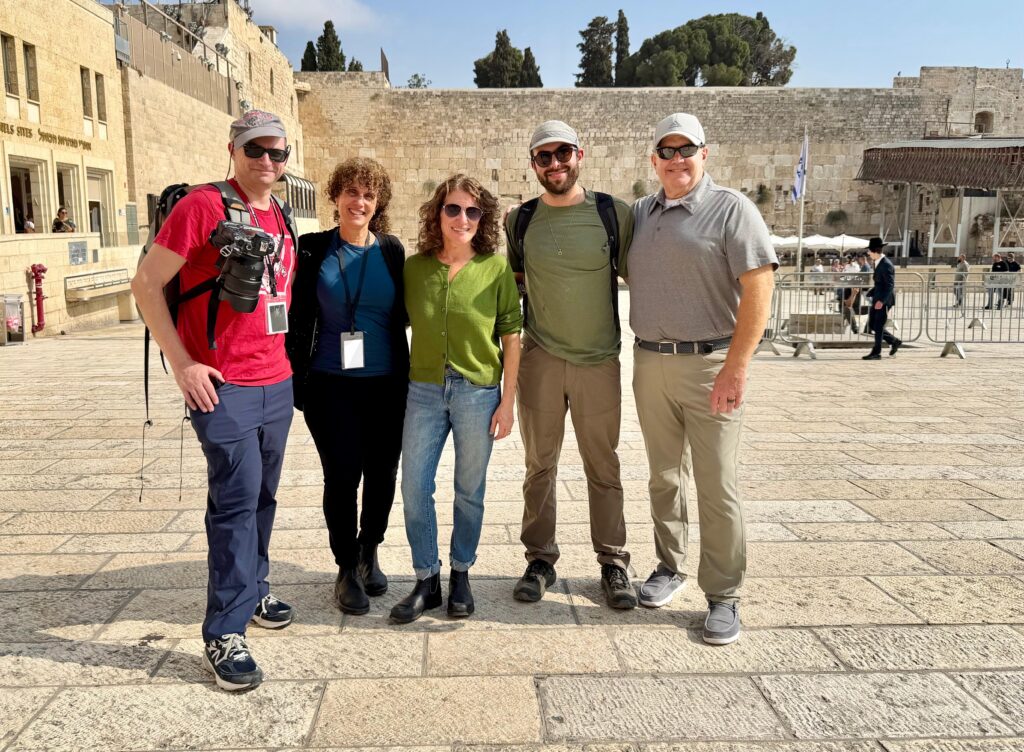
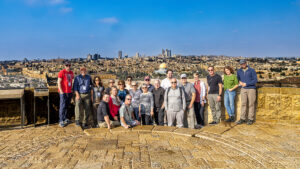
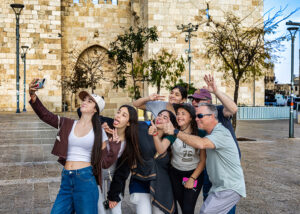
Pictured: JCRC staff at the Kotel, Jerusalem on the 2025 Israel Study Tour
By Ethan Roberts, Holly Brod Farber, Susie Greenberg, Sami Rahamim, and Patrick King
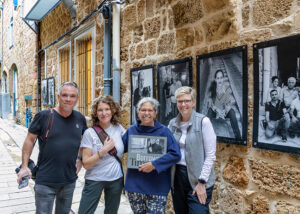
JCRC staff leaders of the 2025 Israel Study Tour
Dec. 11, 2025
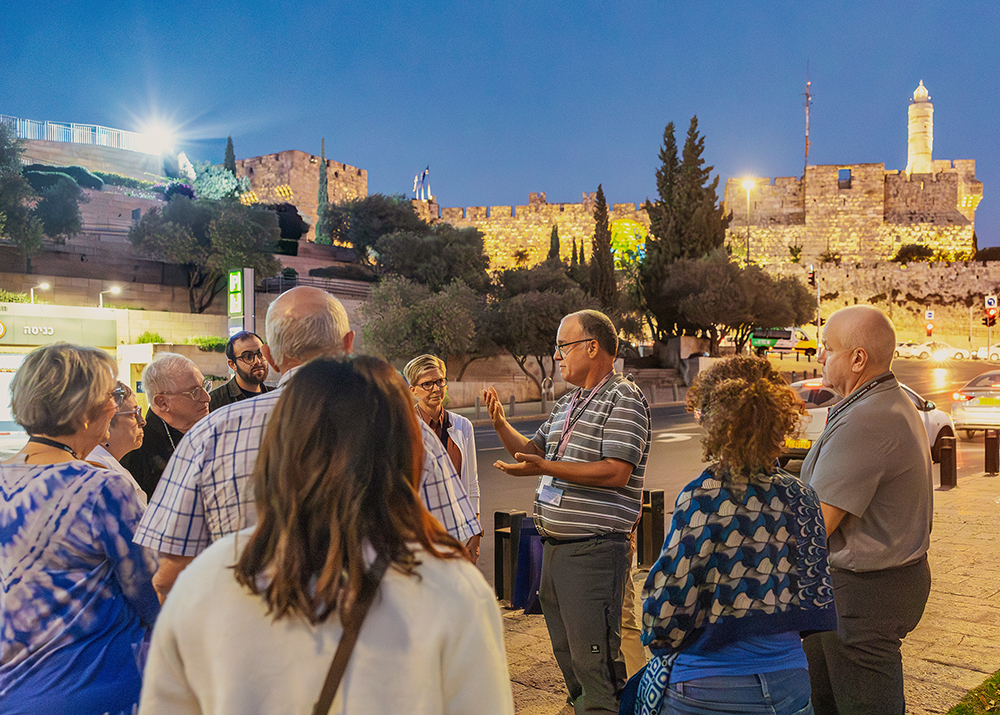
This Thanksgiving, we were filled with gratitude having just returned from leading JCRC’s first study tour to Israel for Minnesota legislators and community leaders since 2019.
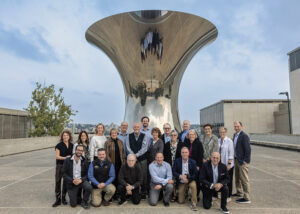
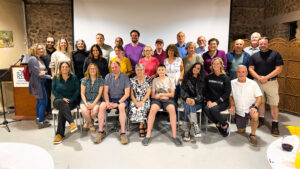
Our 20-person delegation included elected officials, educators, entrepreneurs, and Jewish community leaders. We arrived in a country just beginning to recover from the trauma of October 7 and nearly two years of war—yet still determined to live with courage, creativity, and hope.
Participants encountered Israel not as a flattened headline but as a layered society: resilient, complex, and filled with extraordinary human stories. Our participants showing up in this moment reflects the heart of our work at JCRC—building informed relationships and ensuring that the Jewish story is understood in its fullness.
Even in this changed landscape, core elements that have defined our three previous study tours remain vital. We partnered again with master educator Muki Jankelowitz, whose storytelling, depth of knowledge, and gift for embracing complexity help Minnesotans meet Israel’s paradoxes as they truly are ancient and modern, sacred and mundane, inspiring and challenging. Seeing Israel through the fresh eyes, and questions, of non-Jewish Minnesotans continues to sharpen our own understanding and strengthens the civic literacy we bring back to classrooms, congregations, and institutions.
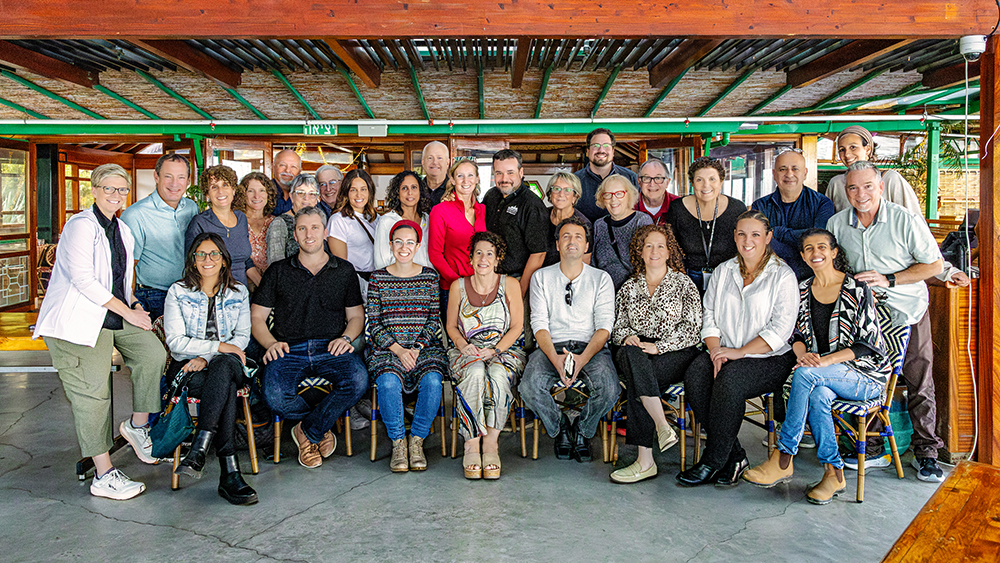
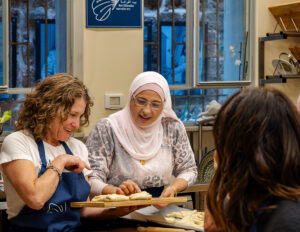
We also deepened our connections with Minnesota’s longtime partnership regions—Sovev Kinneret and Rehovot—where participants met Israelis not simply as hosts, but as peers. These people-to-people encounters remain central to our philosophy: relationships, not headlines, must shape how communities understand one another.
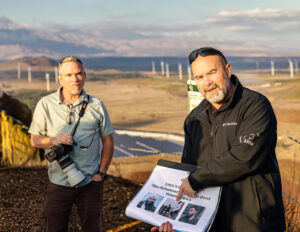
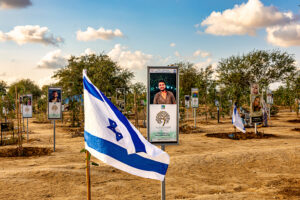
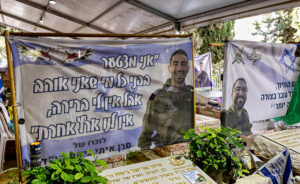
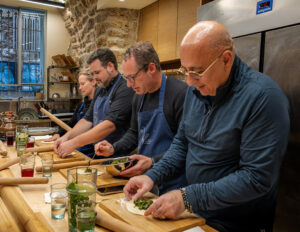
And yet, this trip was unlike any we have led before. Our day in the Western Negev/Gaza Envelope was the trip’s emotional core. In Holit, one of the kibbutzim devastated on October 7, participants witnessed destruction and rebuilding that is being generously supported by our local Jewish community. At the home of Osi Lankri, a gifted Mizrahi chef living only miles from the border in Ofakim, we shared a meal infused with pure love and defiant spirit. We processed grief, horror, and solidarity at the site of the Nova Music Festival massacre in a moment of collective witness—one that will stay with our delegation forever.
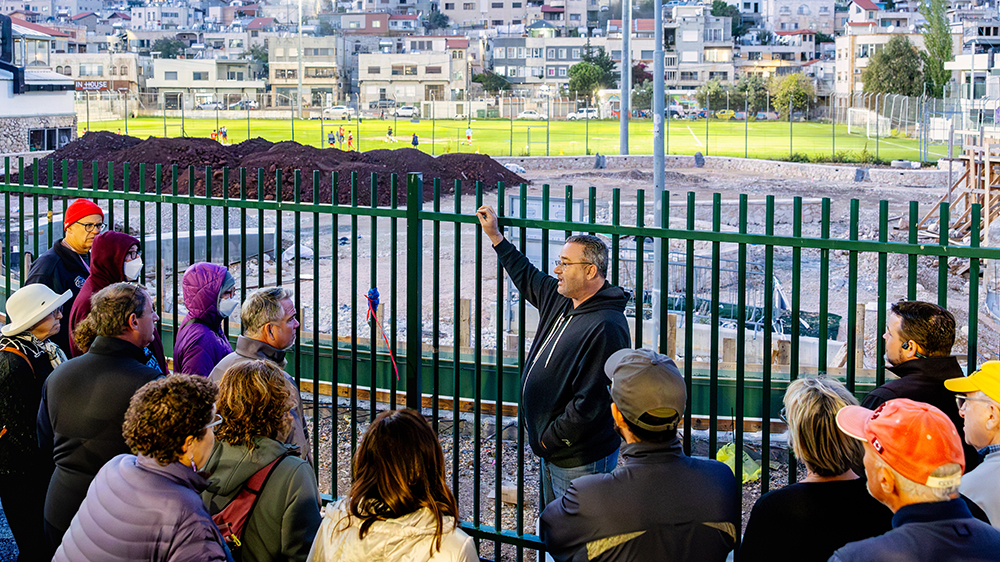
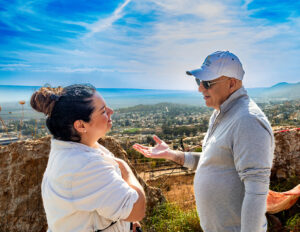
Another defining experience came in the northern town of Majdal Shams, a Druze community still mourning twelve of its children killed by a Hezbollah rocket. Standing with a family member on the edge of the soccer field where the attack occurred, our participants viscerally understood that the Israeli victims of this war are not only Jewish. Later, in the home of Safa Ibrahim, we learned about Druze faith, culture, and the community’s shared hopes and fears. These encounters expanded the delegation’s awareness of Israel’s diversity and reinforced a central truth of our educational work: complexity is not a barrier to understanding, it’s a prerequisite.
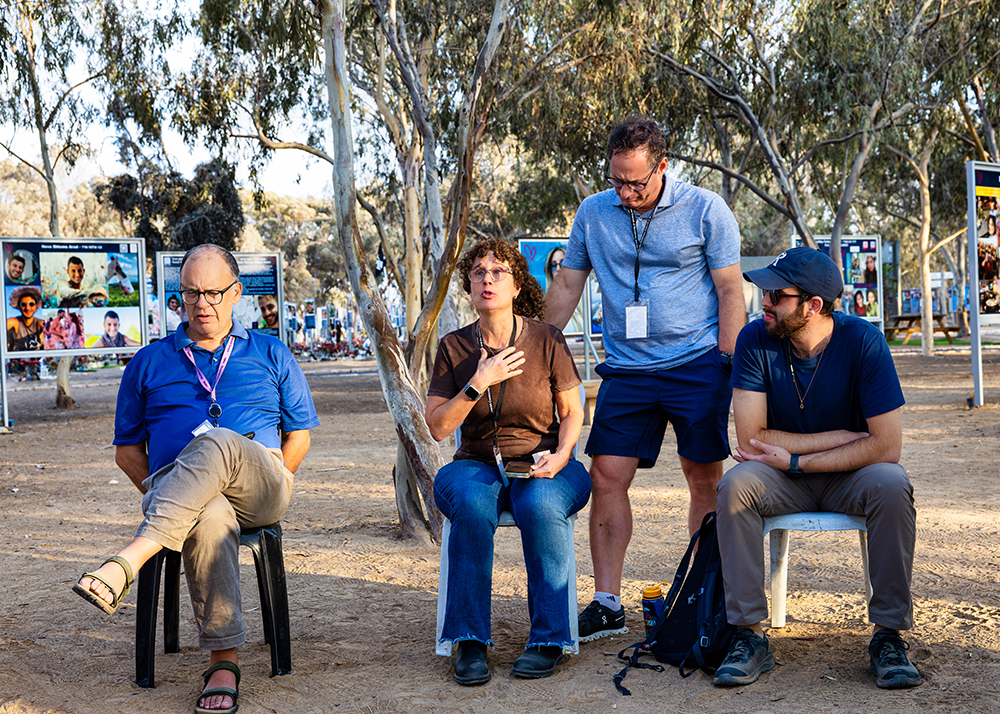
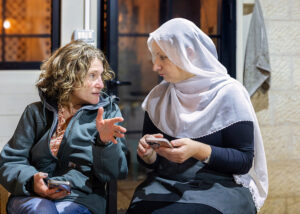
We also spent time learning about the experiences of Arab and Palestinian citizens of Israel, who make up a fifth of the country’s population and whose identities often sit at the intersection of multiple communities. These conversations underscored not only the complexities of building a shared society within Israel, but also the immense suffering that Hamas’s brutal dictatorship—and its decision to escalate a holy war against Israel—has brought upon Palestinians in Gaza.
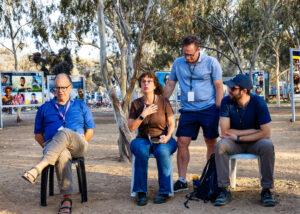
Throughout the trip, participants also engaged with survivors whose stories bridge past and present. In Jerusalem, we shared Shabbat dinner with Rena Quint, a nearly-90-year-old Holocaust survivor whose energy and conviction captivated the room. The very next day, we met young survivors of the Nova massacre, whose vulnerability, humor, and courage offered a testament to Israelis’ fierce commitment to choosing life. These survivor stories brought the continuity of both Jewish resilience and anti-Jewish hate—from the Nazi antisemitism to today’s antizionism—into sharp focus.
The trip also highlighted the tangible benefits of Minnesota–Israel partnerships, from Rehovot to the Iron Range, where Israeli technology is slated to pilot. Participants returned home with a deeper understanding of Israel’s contributions to innovation, climate technology, medicine, and shared democratic values.
We are proud that this delegation strengthened the relationships and civic understanding that shape Minnesota’s public life. Participants saw for themselves the complexity of Israeli society, the hopes and fears of its people, and the stakes of a global conversation too often driven by distortion.
This experience equips our partners—legislators, educators, business and civic leaders—to bring nuance, integrity, and human understanding into the rooms where decisions are made.
We are grateful to our partners at itrek and Via Sabra, to our board members and lay leaders who helped recruit participants, and to our JCRC colleagues in Minnesota who held down the fort during a demanding moment.
At a time when Israelis feel abandoned, isolated, and profoundly misunderstood, our Minnesota delegation showed up—to listen, to learn, and to stand in relationship. We look forward to bringing more leaders with us in the years ahead.
Photos courtesy of Ethan Roberts Photography
This blog post was the featured staff column for the December 2025 Gesher (‘Bridge’ in Hebrew) – JCRC’s monthly email newsletter.
Subscribe
###